Jet lag sucks.
For athletes, it doesn’t just suck—it steals wins.
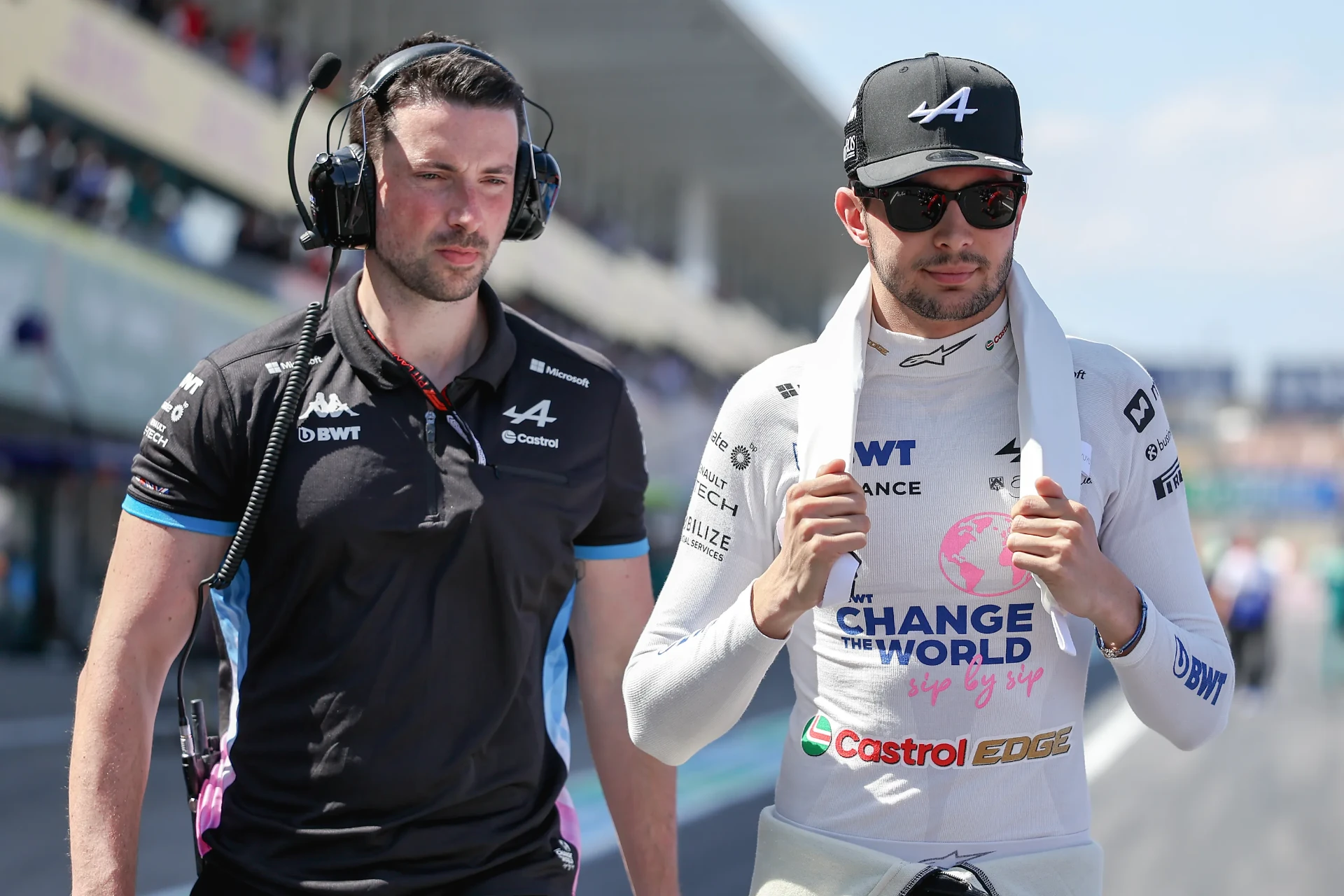
Tom Clark, a performance coach, has spent four seasons managing Formula 1 driver Esteban Ocon’s travel strategy.
He knows the stakes: even one bad night of sleep can cost you.
The body clock operates on a rhythm just over 24 hours. Adjusting across time zones is all about precision.
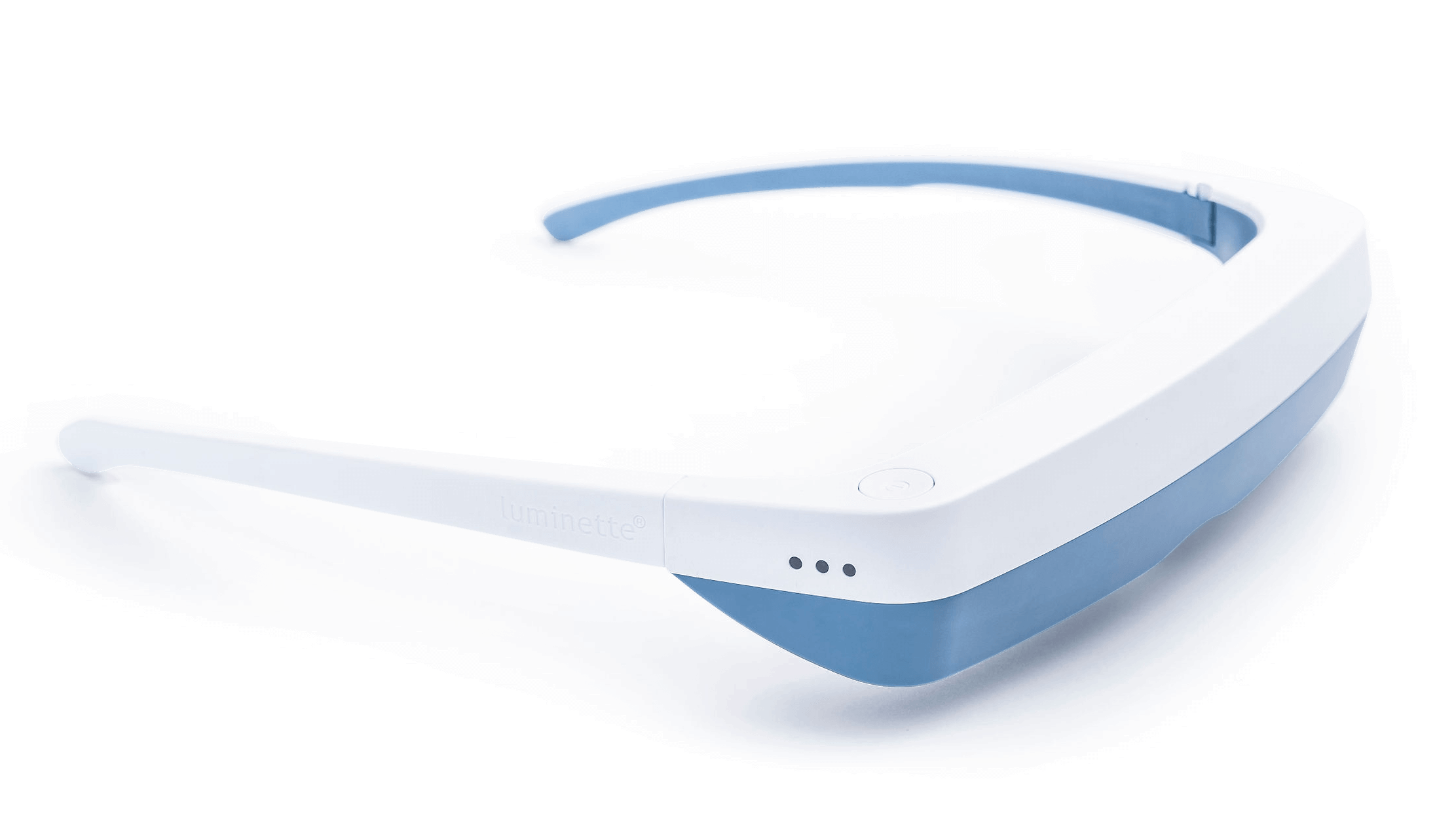
Light is the secret weapon. Your body clock responds to light exposure—use it to either advance or delay your rhythm. If you know your core body temperature low (around 4 AM), light timing becomes a powerful tool.

Phaze App (by Tom Clark)
Jet lag vs. travel fatigue: Jet lag is a body clock misalignment. Travel fatigue is the wear from the journey itself. Understand the difference to tackle them better.
Tom’s advice: Eastward travel adjusts by one hour/day. Westward? Up to two hours/day. Long eastward trip? Treat it like a westward journey.
Actionable Takeaway:
Manipulate light exposure: Use light strategically to adjust your rhythm.
Plan sleep carefully: Shorten the gap between home sleep and destination sleep.
Avoid melatonin/sleep pills—they won’t fix your clock.
Tom has now turned this into a product: Phaze, an app that helps coaches and consultants personalise sleep and travel schedules using circadian science.