In 2025, Marcos Llorente played 26 consecutive matches for Atlético Madrid — every minute, March to September, at 30 years old.
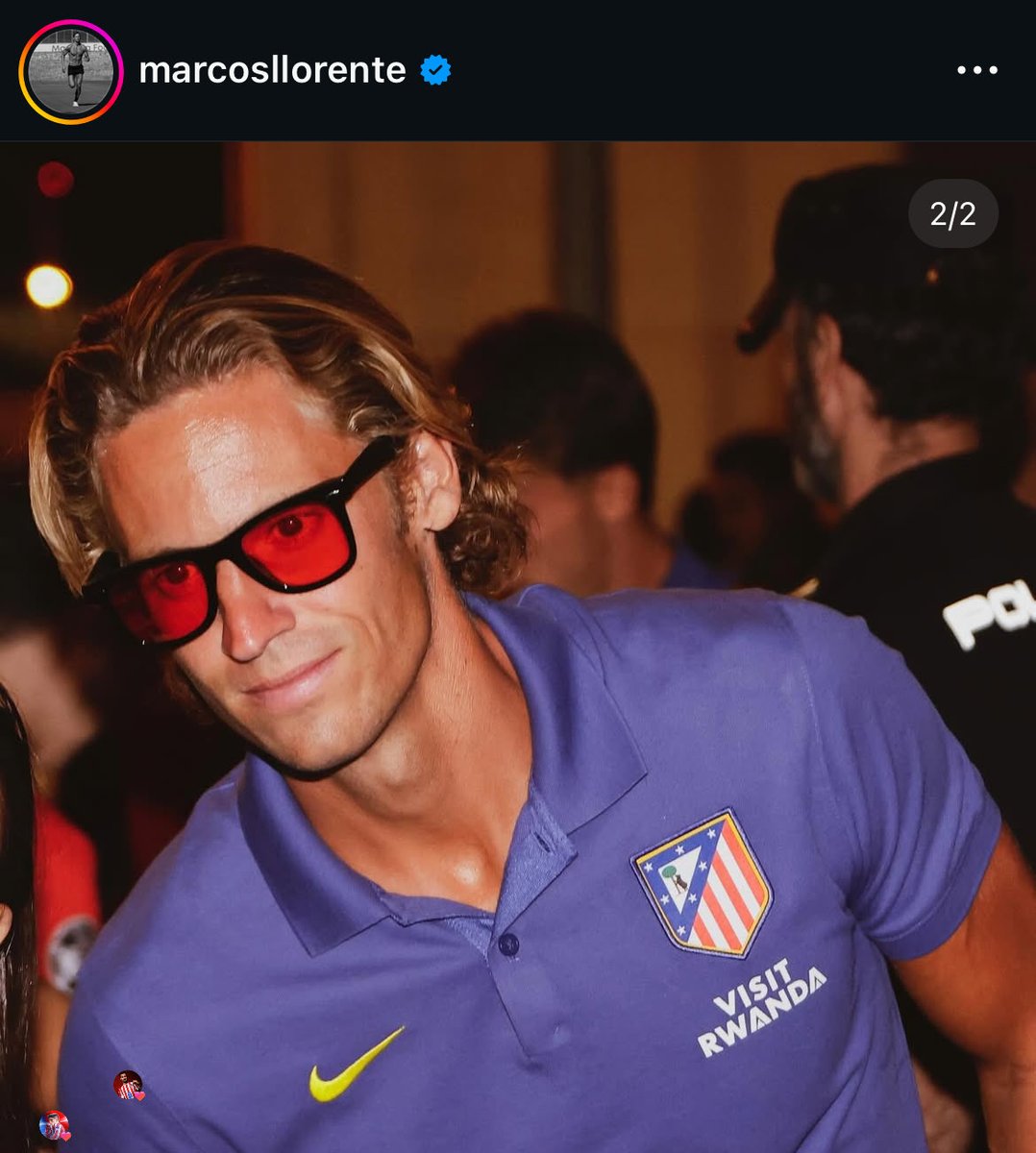
Then he turned up to international-break media duty in tinted glasses: yellow lenses by day, red by night. He posted a long defence on Instagram — blue light, melatonin, mitochondria — it went viral, and Erling Haaland publicly commented “well done.” Spanish ophthalmologists pushed back hard. As usual, the hype and the backlash both overshot.
Short answer: probably not on their own — and the honest evidence is thinner than either side lets on. The night-time biology is real, the daytime biology cuts the other way, and when the glasses have been tested directly in athletes, the objective needle barely moves. Worth a brief detour to be fair to Llorente: he has also said things that are not scientifically defensible (chemtrails; that you can’t get skin cancer from the sun). Those are a separate matter. The narrow, answerable question is the glasses — and there the science is genuinely interesting.
Does blue light at night actually suppress melatonin?
Yes — this part is settled. Light in the ~470–480nm band strikes melanopsin-containing cells in the retina (intrinsically photosensitive retinal ganglion cells), which signal the brain’s master clock — the suprachiasmatic nucleus — which tells the pineal gland to hold off on melatonin. A phone screen at night delivers enough short-wavelength light to produce a measurable effect, especially with prolonged exposure. That is the mechanism the entire blue-light-glasses industry rests on, and it is legitimate.
Do the glasses block the right wavelengths?
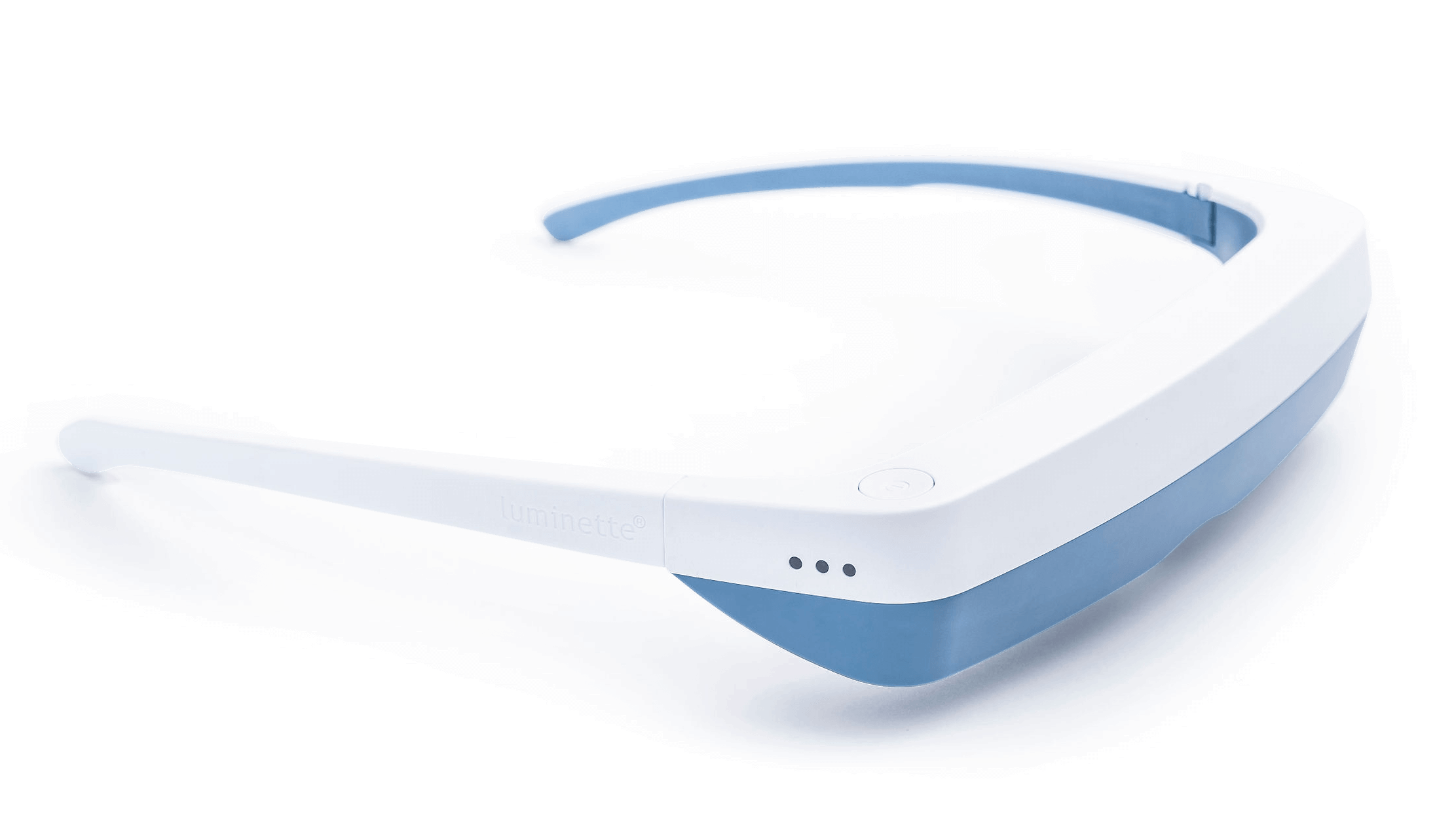
It depends on the lens. Clear “blue-light” computer glasses filter very little. The lenses that plausibly affect sleep are the darker amber, orange and red ones that block the ~455–500nm range — the wavelengths that suppress melatonin. Llorente’s red night lenses sit squarely in that category, and on the specific claim “these block melatonin-suppressing light,” they do roughly what he says. His yellow daytime lenses are a far weaker filter — and, as we’ll see, blocking blue light by day is the part you should actually want to avoid.
The downstream logic is sound on paper, too: sleep is one of the best-evidenced performance levers in sport. Systematic reviews show that improving sleep quantity or quality enhances reaction time, accuracy and sport-specific performance, while sleep loss reliably degrades endurance and cognition and raises injury and illness risk. Block blue light → protect melatonin → sleep better → perform better. Clean story. Then it gets complicated.
Isn’t blue light also a performance enhancer?
This is the part most coverage misses. Blue light isn’t only a sleep thief — during the day it is one of the more reliable alertness tools we have. A 2022 systematic review found that daytime blue-light exposure consistently increases alertness and improves reaction time, with several studies also showing better cognitive performance (Silvani et al., 2022). In a direct head-to-head, blue light rivalled caffeine for sustaining alertness and cognitive function (Beaven & Ekström, 2013), and blue-enriched light has even been shown to improve night-time motorway driving (Taillard et al., 2012).
So blue light boosts performance by day and steals sleep by night. That reframes the whole question. It isn’t “is blue light good or bad” — it’s right light, right time. And it means a habit of blocking blue light during the day is quietly working against the alertness you want when you’re training or competing.
Do blue-light glasses actually change anything for athletes?
Here the marketing runs well ahead of the data. When researchers have tested blue-light glasses directly in athletes, the results are underwhelming. A randomised crossover pilot in 15 recreational athletes restricting evening short-wavelength light with amber lenses found subjective gains — shorter self-reported time to fall asleep (about 7 minutes), better rated sleep quality, more next-morning alertness — but no difference on actigraphy, the wearable measure of actual sleep (Knufinke et al., 2019). Tellingly, the authors concluded the effect would likely need pairing with more morning and daytime light to amount to much.
In a separate trial, 15 youth volleyball players wore blue-tinted versus clear lenses; the blue lenses produced no significant difference in melatonin, reaction time, agility or mood (Baptista et al., 2022). Small samples, recreational and youth athletes, soft outcomes — but the pattern is consistent: people report sleeping better, the instruments don’t agree, and measured performance doesn’t move.
Can you credit the glasses for Llorente’s run of form?
No — and this is the honest core of it. Llorente doesn’t just wear glasses. He chases morning sunlight, follows a strict diet, uses red-light therapy and cold exposure, keeps a fixed sleep schedule, and has a world-class sports-science department managing his training load. Twenty-six consecutive matches is the output of that entire system. You cannot reach in and pull out the glasses as the cause — the same way Clemson added red light and won a national title, but no one can honestly credit the light.
What the glasses plausibly add is smaller and less glamorous: a behavioural cue. Putting them on signals “the day is winding down,” and if you believe you’re recovering better, that belief shapes perceived recovery. That’s not nothing. It’s also a long way from “the glasses made him durable.”
So what actually works?
The fundamentals, in order. First, get bright light during the day. Go outside — even overcast daylight is up to ~10,000 lux, far brighter than any indoor lighting, and it’s the single biggest lever for a well-anchored circadian rhythm. This is the part elite teams quietly act on.
Wolverhampton Wanderers have had players use “daylight glasses” through the dark winter months to stay alert for evening kickoffs, when the body would otherwise start preparing for sleep. Their head coach Gary O’Neil was refreshingly honest about it: not a magic wand that fixes everything, just a marginal-gains habit the players kept using because it seemed to help.
Second, dim and warm the light at night. If you want to add amber or red blue-blocking glasses to your evening routine, they might help — especially if you sleep badly or work shifts. They’re unlikely to hurt. But they’re one component of comprehensive sleep hygiene, not a substitute for the basics, and not a standalone performance intervention. The honest verdict: reasonable to try, oversold as a difference-maker.
What about the red light?
Here’s the more interesting thread. Llorente doesn’t only wear glasses — he also uses red-light therapy. So does Haaland, who reportedly spent £15,000 on a red-light bed. Professional clubs are installing panels in their training facilities, and unlike blue-light glasses, red light has a larger body of published performance research — on cyclists, rugby players and footballers. Whether that £15k bed is doing real work or is the most expensive placebo in football is a separate, better-evidenced question, and we’ve taken it apart here: what the red-light recovery trials actually show.
Frequently asked questions
Do blue-light blocking glasses improve athletic performance?
Not directly, on current evidence. Their only plausible route is via sleep, but trials in athletes show subjective improvements without objective (actigraphy) changes, and no measured change in melatonin, reaction time or agility. Treat them as a low-risk sleep-hygiene aid, not a performance intervention.
Why does Marcos Llorente wear yellow and red glasses?
He uses yellow lenses indoors by day and red lenses at night, on the rationale that blocking blue light protects melatonin and sleep. The red night lenses do block melatonin-suppressing wavelengths; the daytime yellow lenses filter far less — and blocking blue light by day can actually reduce the alertness you want.
Do blue-light glasses help you sleep?
Possibly, especially for poor sleepers and shift workers. Amber and red lenses block the ~455–500nm light that suppresses melatonin. People often report better sleep; objective measures are less convinced. Worth trying as part of a broader routine, not as a single fix.
Is daytime light or evening blue-blocking more important?
Daytime, clearly. Bright light by day — ideally outdoors, up to ~10,000 lux — is the larger lever for circadian health and alertness. Evening blue-blocking is a smaller, optional add-on. The rule is “bright by day, dim and warm by night.”
References
Silvani MI, Werder R, Perret C. The influence of blue light on sleep, performance and wellbeing in young adults: a systematic review. Front Physiol. 2022;13:943108. doi:10.3389/fphys.2022.943108
Beaven CM, Ekström J. A comparison of blue light and caffeine effects on cognitive function and alertness in humans. PLoS One. 2013;8(10):e76707. doi:10.1371/journal.pone.0076707
Taillard J, Capelli A, Sagaspe P, Anund A, Akerstedt T, Philip P. In-car nocturnal blue light exposure improves motorway driving: a randomized controlled trial. PLoS One. 2012;7(10):e46750. doi:10.1371/journal.pone.0046750
Knufinke M, Fittkau-Koch L, Møst EIS, Kompier MAJ, Nieuwenhuys A. Restricting short-wavelength light in the evening to improve sleep in recreational athletes — a pilot study. Eur J Sport Sci. 2019;19(6):728–735. doi:10.1080/17461391.2018.1544278
Baptista E, André Arriel R, de Castro Carvalho AL, Bispo MMC, Rodrigues AB, Souza H, Mota GR, Marocolo M. Influence of wearing blue lenses on melatonin production and performance in volleyball players. Sports Med Int Open. 2022;6(1):E1–E8. doi:10.1055/a-1720-6083
Specs, prices and claims are indicative and were verified against primary sources at the time of writing; confirm current figures before purchase. Sun Endurance reads the primary literature and reports what it does and doesn’t show. We don’t claim performance where the evidence isn’t there. Affiliate links, where present, never change the verdict.